


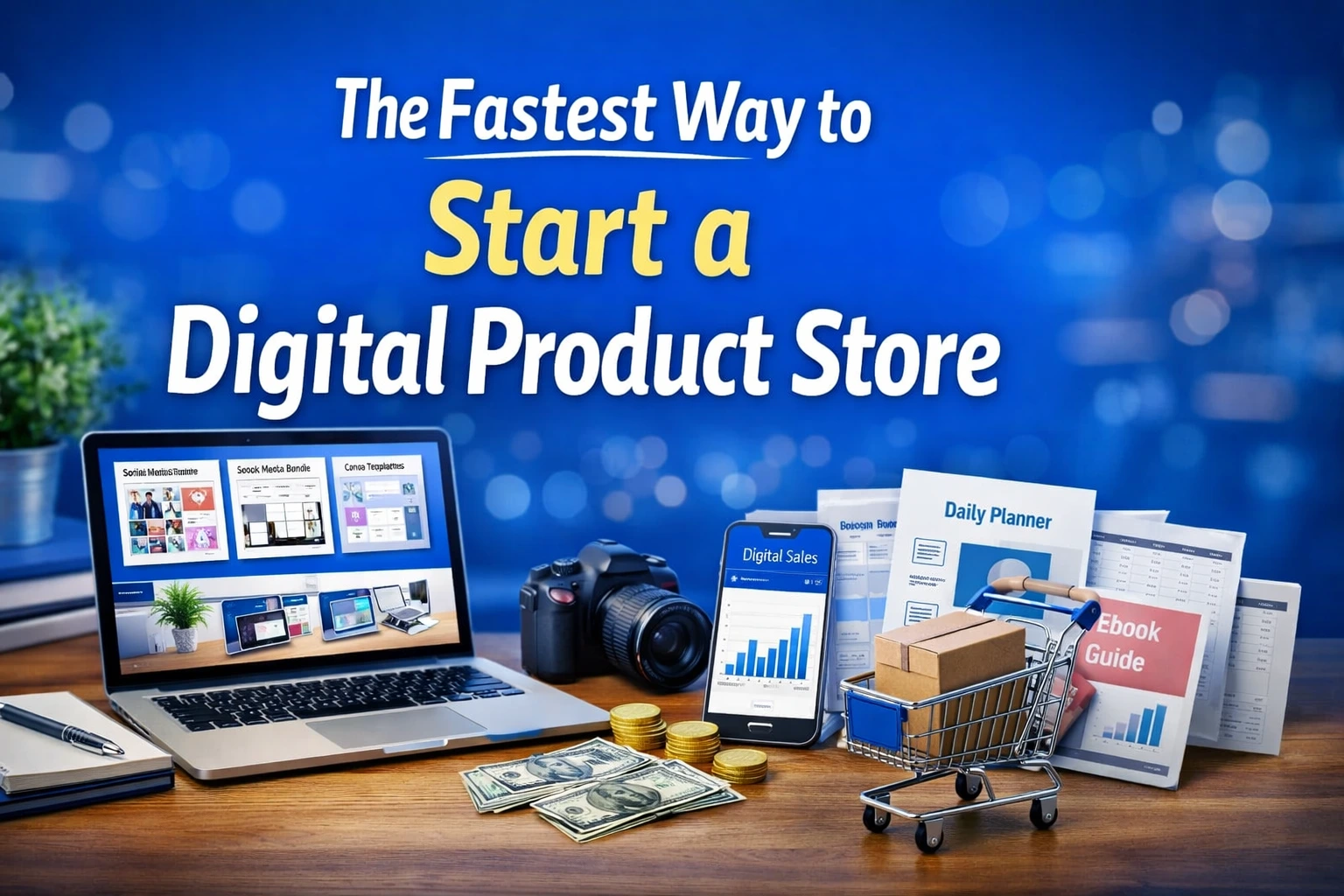
The fastest way to start a digital product store is to choose a niche, use ready-made digital assets, set up a simple selling platform like Gumroad, Shopify, or Etsy, and launch with a small bundle of useful products. Many creators speed up this process by using pre-designed digital resources such as templates, planners, or graphics from marketplaces like PixBundle. This approach removes the need to build everything from scratch and allows you to launch a store in days instead of months.
The Fastest Way to Start a Digital Product Store in 2026
Starting an online store used to require inventory, logistics, and upfront investment. Digital products changed that model completely. Today, a single creator can launch a store selling templates, ebooks, or design assets in a very short time.
The key is not trying to build everything yourself.
Instead of spending weeks designing products, successful creators focus on launch speed, niche focus, and useful digital assets. When you combine these three elements, building a digital store becomes much simpler.
This guide explains a practical and realistic approach to launching a digital product store quickly while still building something sustainable.
Table of Contents
- Why Digital Product Stores Are Growing Fast
- What Makes Digital Products Different
- The Fastest Way to Start a Digital Product Store
- Choosing a Profitable Niche
- Finding Digital Products to Sell
- Setting Up Your Store Platform
- Building Your First Product Bundle
- Marketing Your Digital Product Store
- Common Mistakes to Avoid
- Long-Term Growth Strategy
- Frequently Asked Questions
- Final Thoughts
Why Digital Product Stores Are Growing Fast
Digital products have become one of the simplest online business models. Unlike physical products, there is no shipping or inventory involved.
Creators now sell:
- Canva templates
- Notion dashboards
- AI prompts
- graphic design assets
- planners and workbooks
- Lightroom presets
Platforms such as Gumroad allow creators to start selling downloads within minutes.
Similarly, Shopify offers digital download support through apps and plugins.
The demand is driven by creators and small businesses who want tools that help them work faster.
What Makes Digital Products Different
Digital products work differently from traditional ecommerce.
Key differences include:
No inventory
Once created, a product can be sold unlimited times.
Instant delivery
Customers receive files immediately after purchase.
Low startup cost
Most stores begin with design tools and a website.
Global customers
Anyone with internet access can purchase your products.
Because of these advantages, many creators now build digital asset stores instead of physical stores.
The Fastest Way to Start a Ready-Made Digital Product Store
The fastest way to start a digital product store is to launch with ready-made digital assets instead of building products from scratch.
This approach allows you to:
- save design time
- test product demand faster
- focus on marketing and audience growth
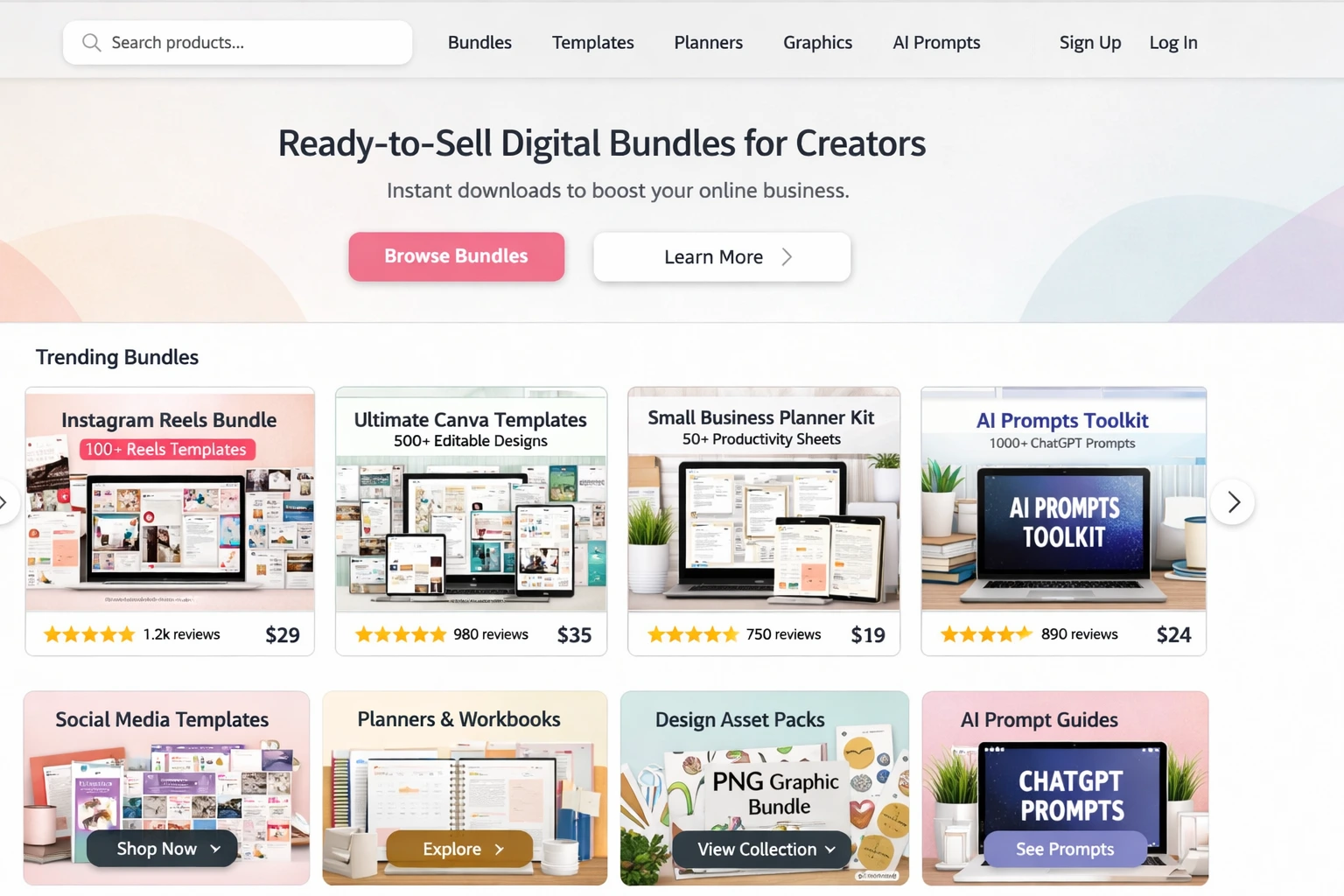
Many creators begin with digital bundles such as templates or graphics. For example, resources available on platforms like PixBundle include ready-to-use assets such as Canva templates, AI prompts, and design bundles.
These resources help creators launch a store while gradually building their own original products over time.
Choosing a Profitable Niche
Launching quickly does not mean choosing a random niche.
The most successful digital product stores focus on solving a specific problem.
Some examples include:
- content creators needing social media templates
- freelancers needing proposal templates
- small businesses needing marketing graphics
- productivity enthusiasts needing planners
Instead of targeting everyone, choose a niche where digital assets clearly solve a daily workflow problem.
For example:
A store focused on social media resources for creators could sell:
- Instagram Canva templates
- content calendar planners
- Reels content bundles
Finding Digital Products to Sell
You have three main options.
Create your own products
This takes the most time but offers full control.
License digital assets
Some creators purchase design resources and customize them before selling.
Use ready-made bundles
This is the fastest method for beginners.
Digital product libraries such as PixBundle provide collections of creator resources including templates, planners, prompts, and design assets.
Using existing assets allows new store owners to focus on branding and customer value rather than design work.
Setting Up Your Store Platform
Once you have products ready, the next step is choosing a selling platform.
Here are three common options.
Gumroad
Gumroad is one of the easiest platforms for selling digital downloads.
Pros
- simple setup
- built-in checkout
- automatic file delivery
Shopify
Shopify is ideal if you want a full ecommerce store.
Pros
- professional storefront
- customization options
- scalable business model
Etsy
Etsy works well for digital downloads like planners or templates.
Pros
- built-in marketplace traffic
- easy product listing
Building Your First Product Bundle
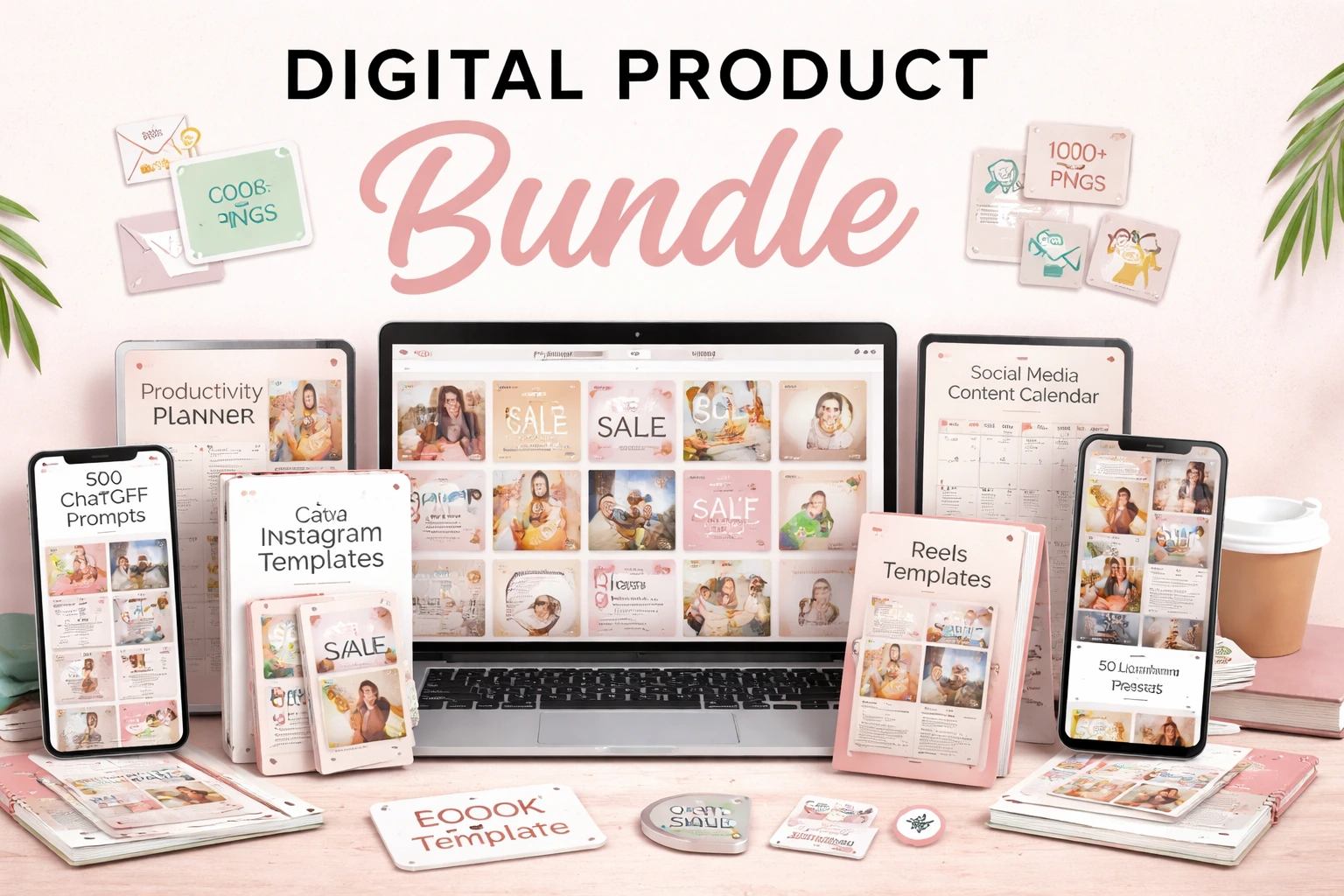
Launching with bundles can help your store gain traction faster.
Instead of selling one template, create a bundle of related resources.
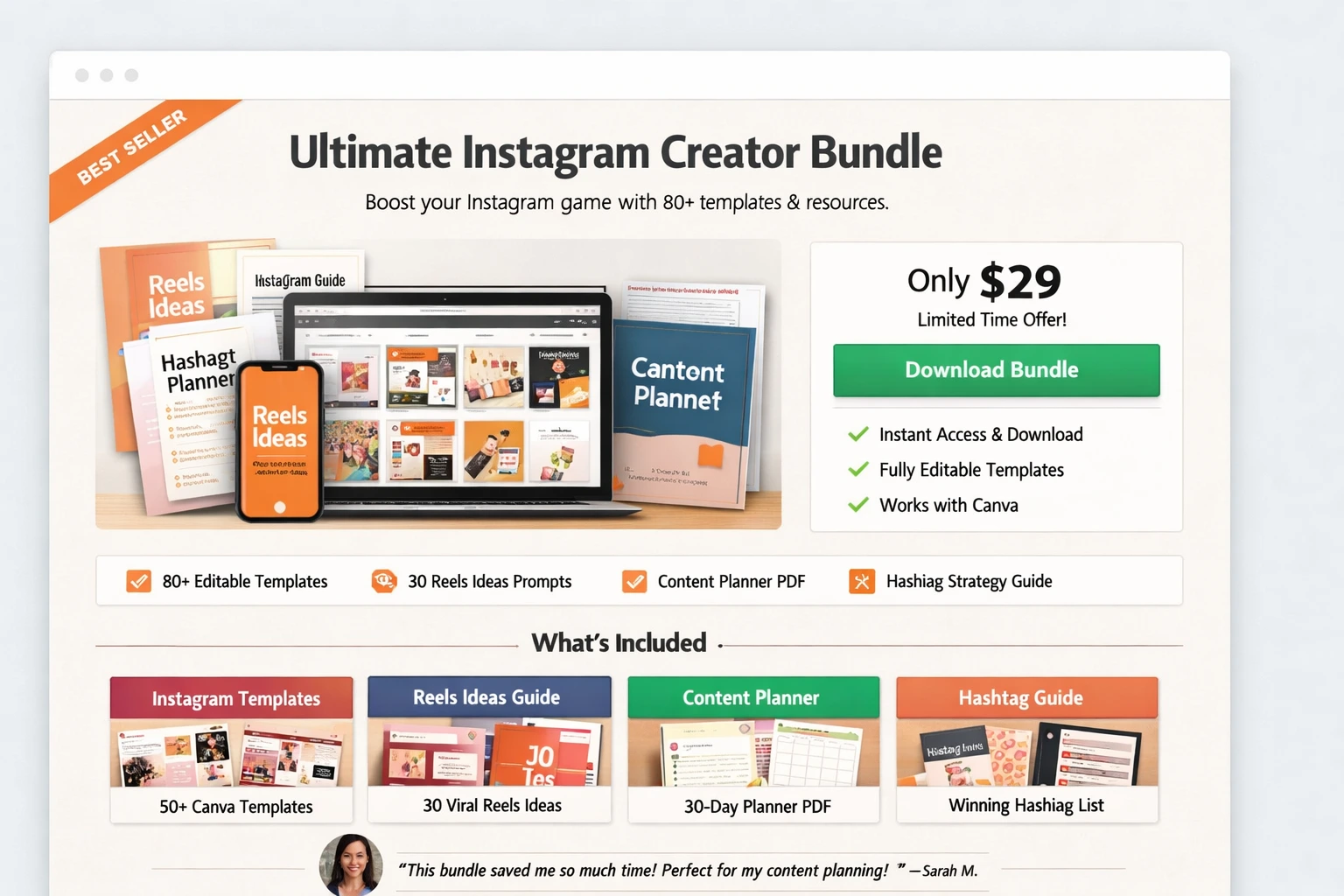
Example bundle:
Instagram Creator Pack
Includes
- 50 Canva templates
- 30 caption prompts
- content planner
- hashtag guide
Bundles increase perceived value and make your store more attractive to buyers.
Marketing Your Digital Product Store
A digital store will not grow without visibility.
Successful stores usually combine several marketing methods.
Content marketing
Writing helpful guides attracts search traffic.
Example article ideas:
- how to create Instagram content faster
- content planning tips for creators
These guides can naturally reference your products.
Social media
Short videos explaining how your templates work can drive attention.
Instagram Reels and TikTok are common traffic sources for digital creators.
Email lists
Many digital stores offer a free template or resource to collect email subscribers.
Over time, this list becomes a major sales channel.
Common Mistakes to Avoid
Many beginners struggle because they focus on the wrong things.
Some common mistakes include:
Trying to design too many products
Start with a small bundle.
Ignoring niche focus
Target a specific audience.
Overcomplicating the store
Simple stores convert better.
No audience building
Content and email lists are essential.
Long-Term Growth Strategy
Launching quickly is only the first step.
The long-term strategy usually includes:
- building a library of digital resources
- publishing helpful content
- expanding into new niches
- developing original premium products
Many creators begin with asset bundles and later build full digital brands.
Frequently Asked Questions
1. What is a digital product store?
A digital product store sells downloadable items such as templates, ebooks, design assets, or online resources.
2. How much does it cost to start?
A digital product store can be started with very low costs. Many creators begin using simple platforms and design tools.
3. What are the best platforms for selling digital products?
Popular options include Gumroad, Shopify, and Etsy depending on your business goals.
4. Do digital products generate passive income?
They can generate recurring sales because the same product can be sold multiple times without additional production.
5. Do I need design skills to start?
Basic design skills help, but many creators start using ready-made digital assets and customize them.
6. What types of digital products sell the most?
Templates, planners, educational resources, and design assets are among the most popular categories.
7. Can beginners start a digital product store?
Yes. Many creators begin with simple product bundles and expand gradually.
8. How long does it take to launch a store?
Using ready-made resources and simple platforms, some creators launch a store within a few days.
9. Is marketing necessary?
Yes. Traffic from content, social media, and email lists plays a major role in digital product sales.
10. Where can I find digital assets for my store?
Digital resource libraries such as PixBundle provide collections of templates, prompts, and creator tools that can help new stores get started.
Conclusion
Starting a digital product store no longer requires complex tools or months of preparation. The fastest path is to choose a niche, launch with a small set of useful products, and focus on helping a specific audience.
Many successful creators begin by using ready-made digital assets, building a store quickly, and improving their product library over time.
What matters most is launching, learning from real users, and gradually building a store that solves real problems.
Leave a Reply